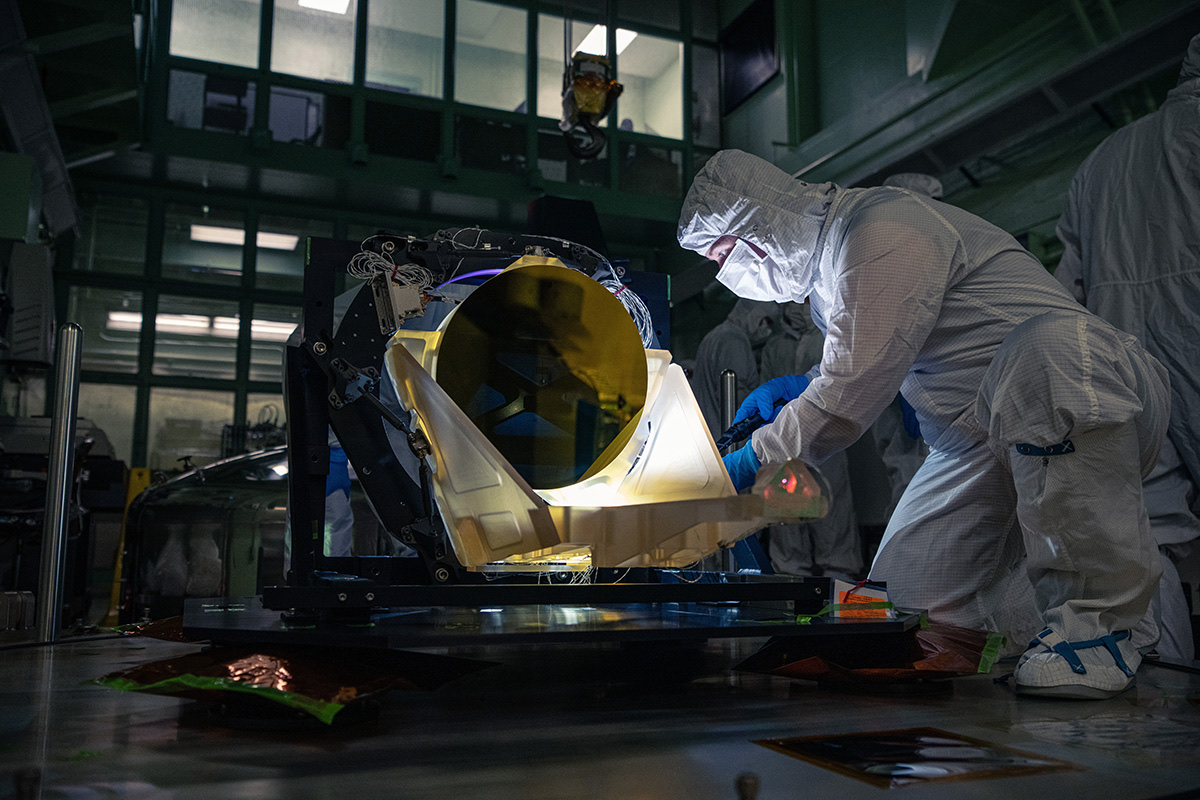
DESI Finishes Its Planned Five-Year 3D Map of the Universe Early
DESI observed more than 47 million galaxies and quasars, well past its 34 million goal. Dark energy results from the full data are expected in 2027.
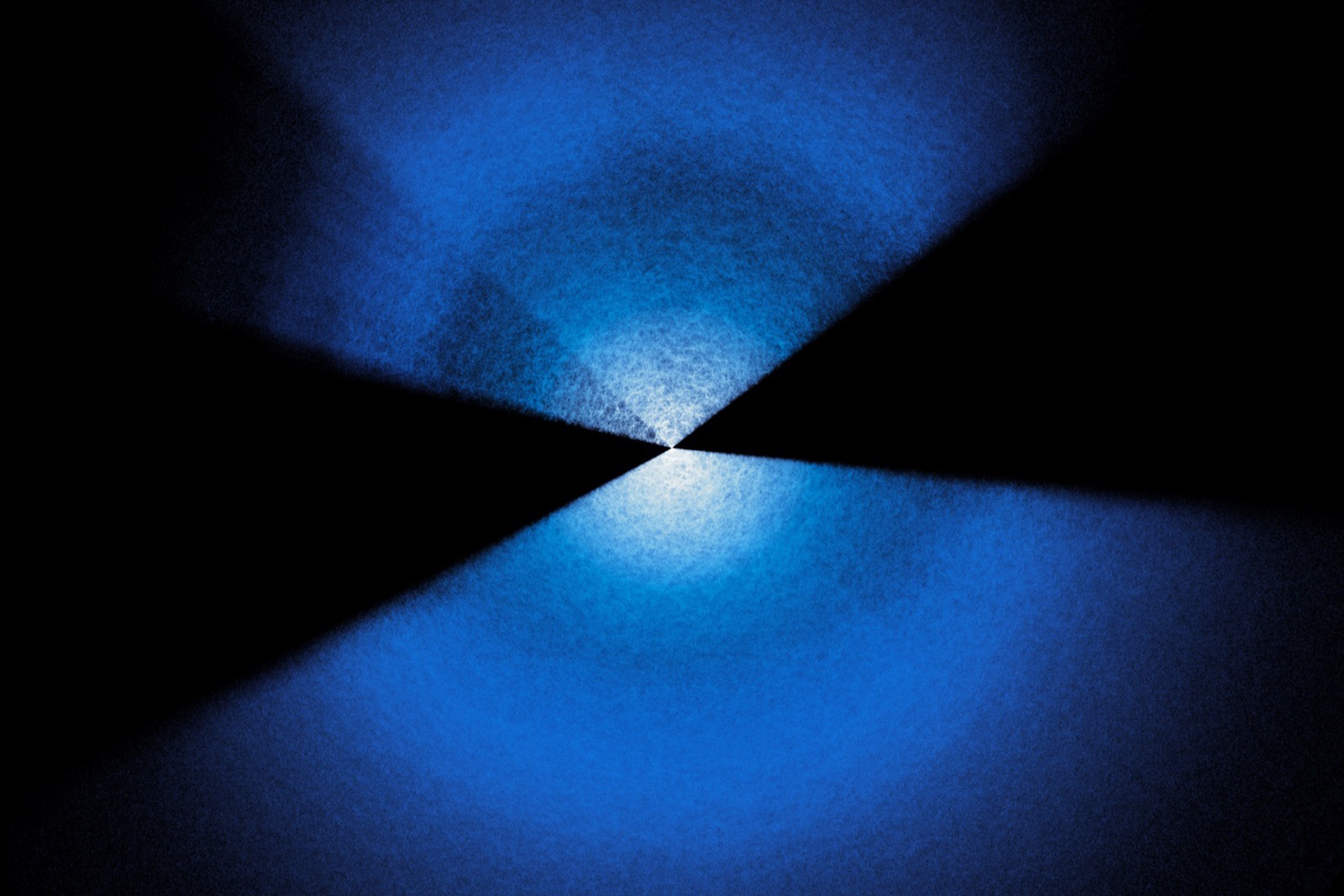
The Dark Energy Spectroscopic Instrument (DESI) completed all observations for its originally planned five-year map of the universe on the night of April 14, 2026, ahead of schedule. Berkeley Lab announced the milestone on April 15.
The plan called for 34 million galaxies and quasars. DESI observed more than 47 million, plus more than 20 million nearby stars. It works from the Mayall telescope at Kitt Peak, Arizona, where 5,000 robotic fibers, each aimed at one object, capture light from a new patch of sky roughly every 20 minutes. Measuring each object’s spectrum gives its distance, which turns a flat picture of the sky into a 3D map.
That map traces how dark energy, the unknown cause of the accelerating expansion, has shaped the universe over 11 billion years. DESI’s results so far have already made headlines. Its 2025 DR2 analysis found that dark energy that changes over time fits the data better than a constant, at 2.8 to 4.2 sigma depending on the supernova sample. A 2026 Lyman-alpha analysis kept that preference alive. None of these reach the 5 sigma level physicists use to claim a discovery.
The full five-year dataset is what can settle it. It will show whether the hint that dark energy is evolving grows into a discovery or fades. DESI involves more than 900 researchers from over 70 institutions and will keep observing to extend the map. More in our dark energy guide.
What to watch next: the first dark energy results from the complete five-year data, expected in 2027.
Primary source
This summary is based on Berkeley Lab. Read the original for full details, data and caveats.
This week in papers
The week's most important results, one line each, every week.