LIGO-India Breaks Ground as the Fifth Gravitational-Wave Observatory
Construction began April 23, 2026 in Maharashtra on a detector identical to LIGO's, which will sharpen sky positions for merging black holes.
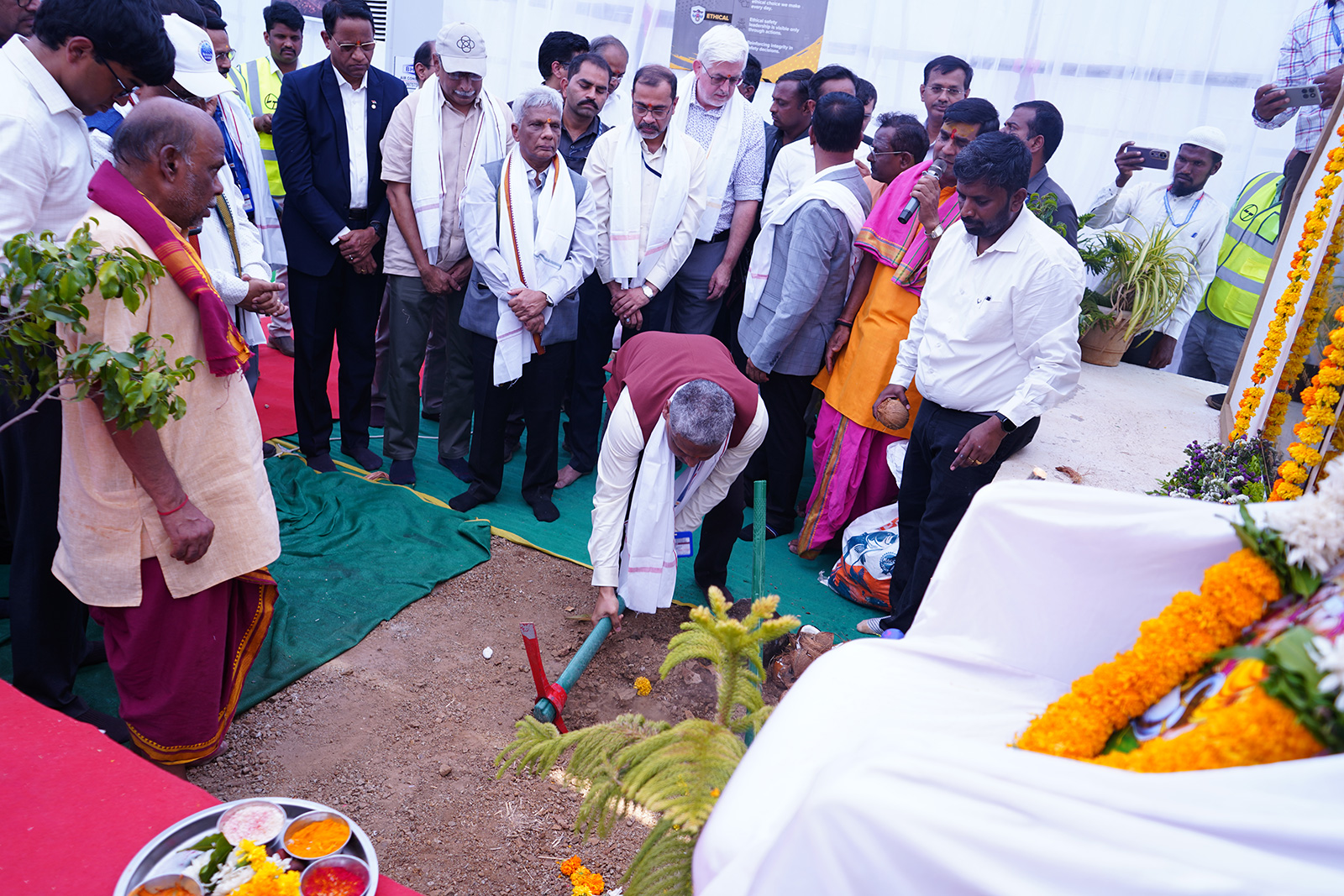
LIGO-India broke ground on April 23, 2026, at Aundha in the Hingoli district of Maharashtra, India. It will be the fifth observatory in the global gravitational-wave network. The LIGO Laboratory announced the start of construction the same day.
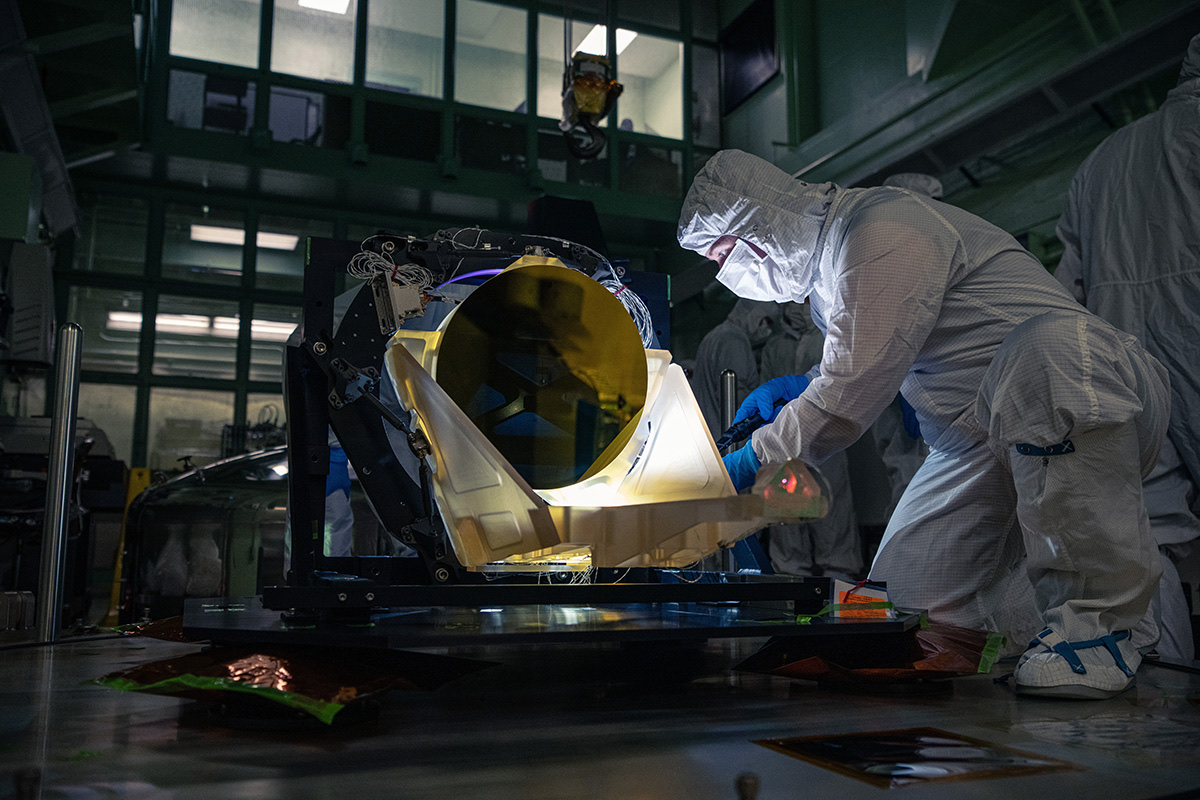
The detector is funded by the Indian government and sits on a 174-acre site chosen for its low seismic noise, since ground vibrations are a major source of interference for these instruments. It will be identical in design to the LIGO detectors at Hanford and Livingston: an Advanced LIGO interferometer with two arms, each 4 kilometers long. Lasers bounce along the arms, and a passing gravitational wave changes their lengths by a tiny amount. Caltech and the LIGO Laboratory are providing key interferometer components, designs and training.
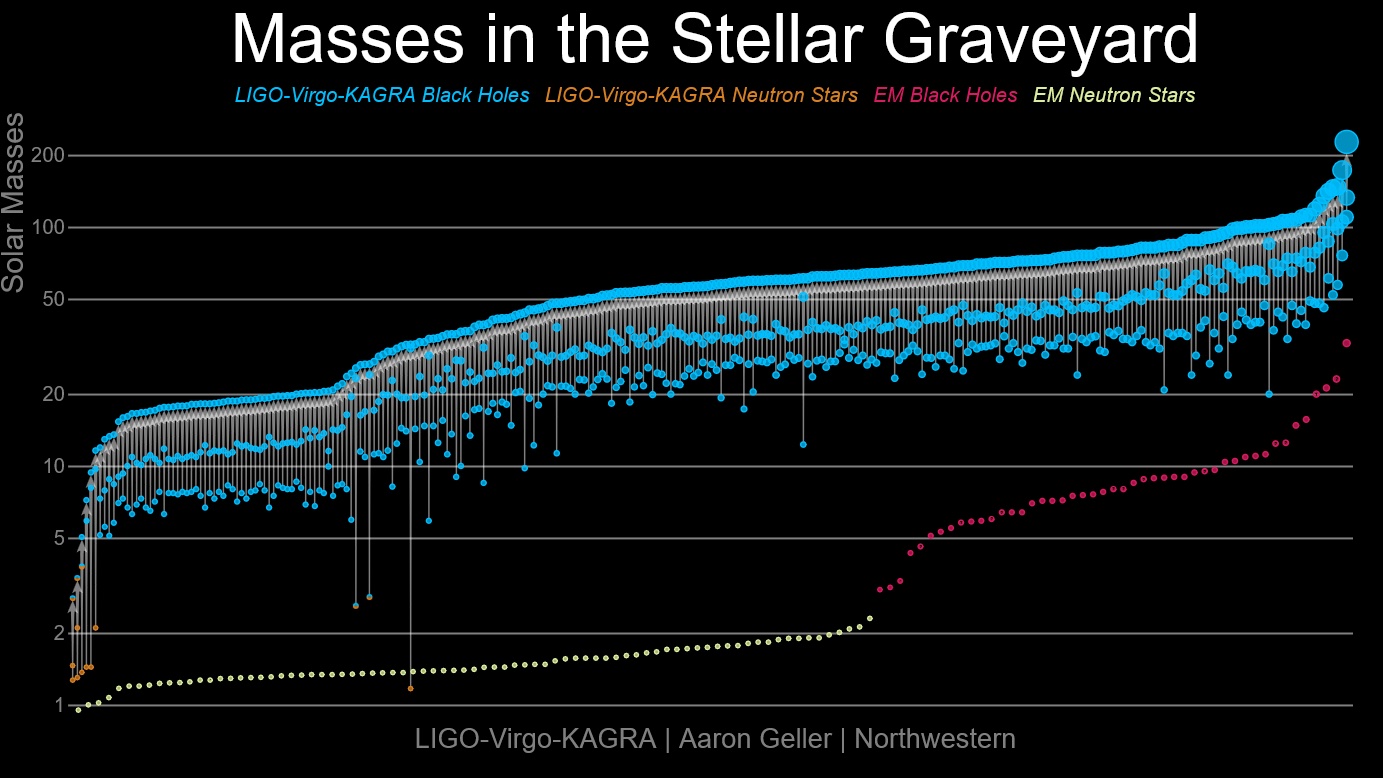
LIGO’s two US detectors made the first detection of gravitational waves in 2015. LIGO-India will join LIGO, Virgo in Italy and KAGRA in Japan to form a true worldwide array (LIGO-Virgo-KAGRA). Location is the point. A detector far from the existing sites adds a long new baseline, which sharply improves how precisely a merger can be pinned on the sky. Telescopes need that precision to catch the light from events such as neutron star collisions before it fades. The recent GWTC-5.0 catalog shows how much a third detector already helps localization; a fourth and fifth push further. Construction has only just begun, and the detector will take years to build and commission. More in our gravitational waves guide.
What to watch next: construction milestones at the Aundha site.
Primary source
This summary is based on LIGO Laboratory (Caltech). Read the original for full details, data and caveats.
This week in papers
The week's most important results, one line each, every week.