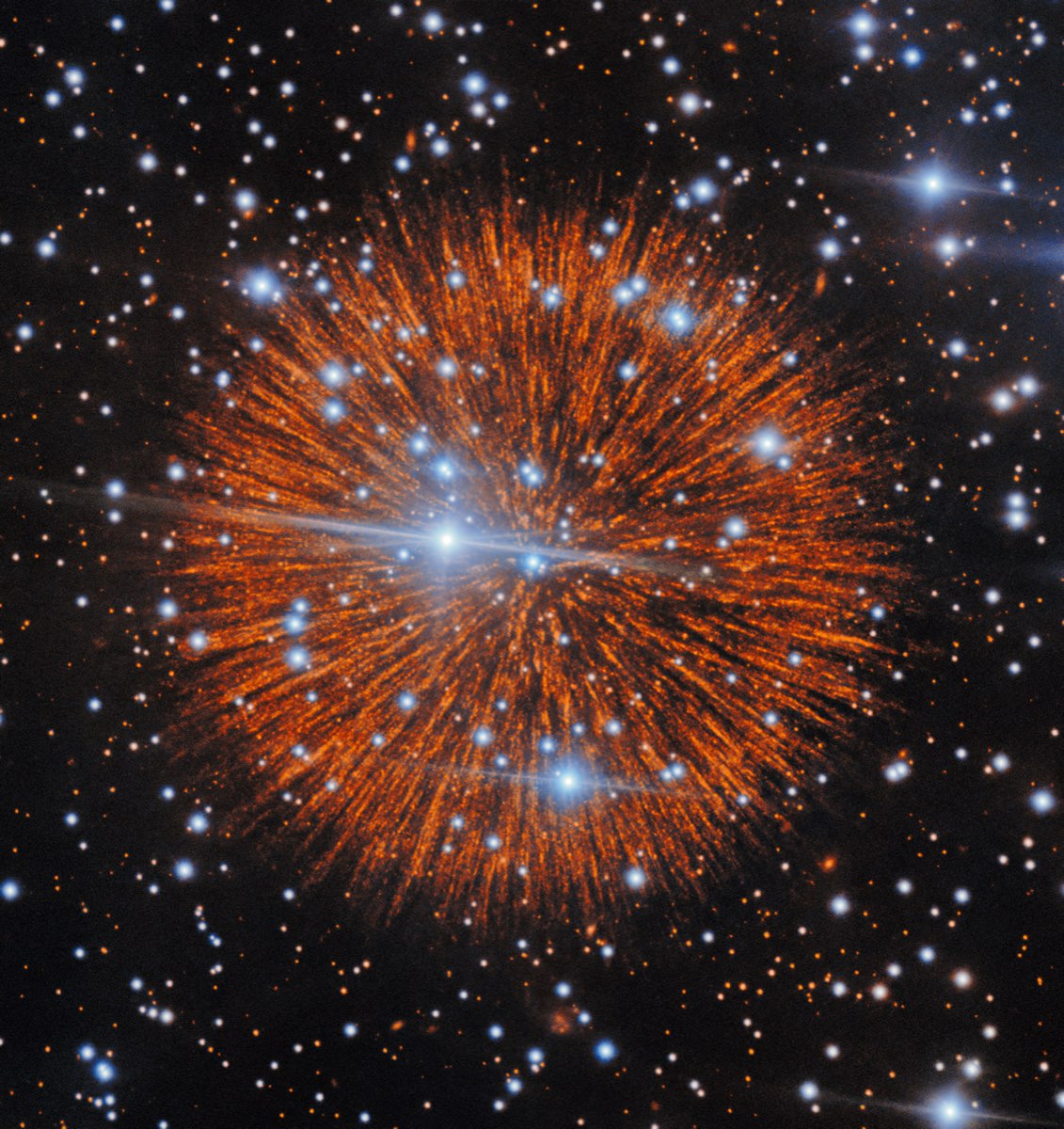
Einstein Probe Catches a Supernova at the Moment of Shock Breakout
An X-ray flash, EP260321a, was the first light of supernova SN 2026gzf, a rare catch that may link ordinary supernovae to gamma-ray bursts.
The Einstein Probe X-ray satellite has caught a massive star’s explosion at its very first moment, the shock breakout, when the blast wave from the collapsing core punches through the star’s surface. Two teams, led by Brendan O’Connor and Jillian Rastinejad, report the event in two papers in The Astrophysical Journal Letters, and NSF NOIRLab announced them on August 5, 2026.
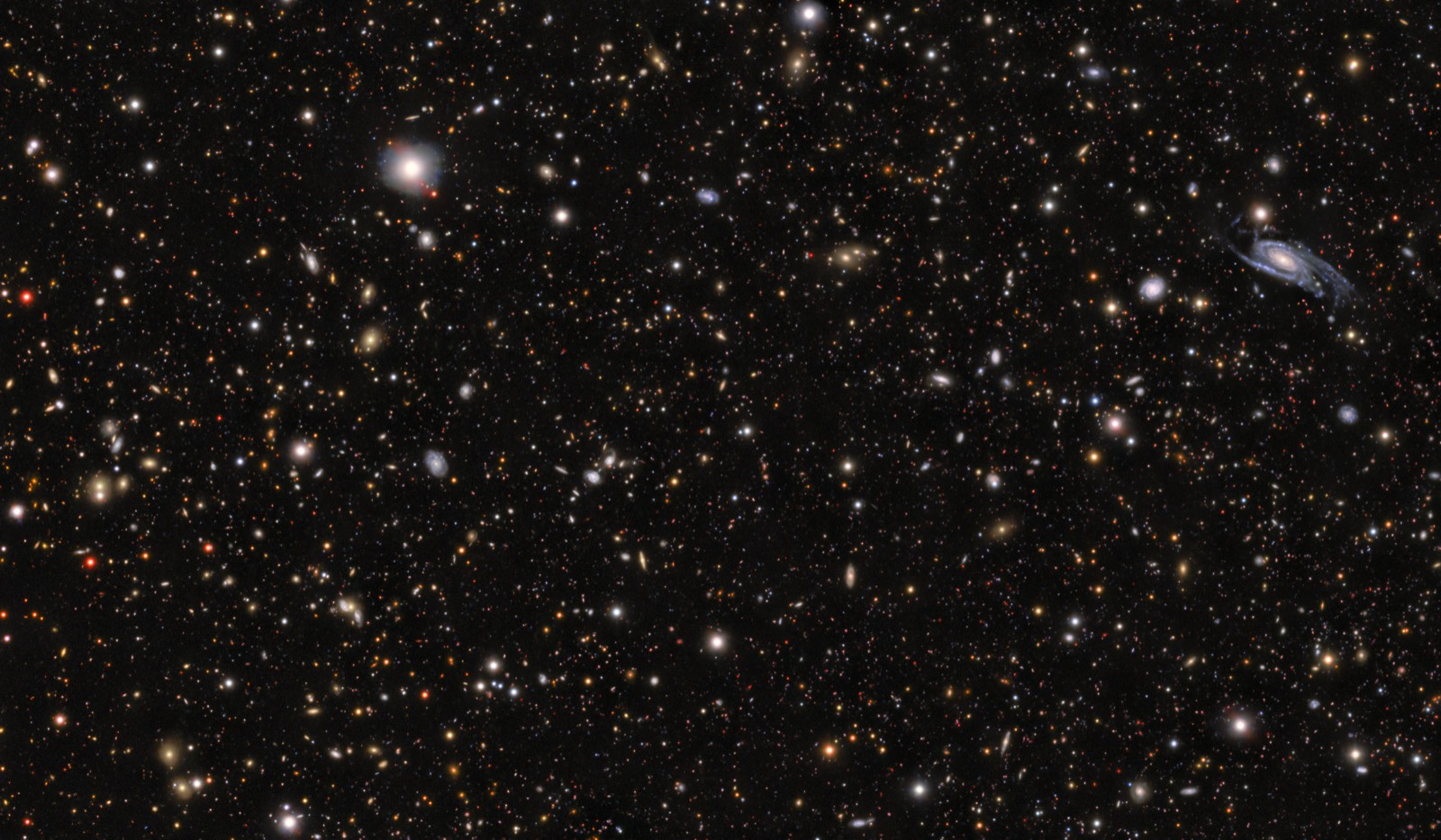
In March 2026 the Einstein Probe recorded a brief flash of soft X-rays, EP260321a, from a galaxy about 500 million light-years away. Ground-based telescopes started watching within an hour and found a rapidly brightening supernova, SN 2026gzf. The follow-up used the Dark Energy Camera, the Mayall telescope and the Vera C. Rubin Observatory. Only one other clear X-ray shock breakout had been confidently identified in two decades, so catching the flash itself is rare.
The explosion is a broad-lined Type Ic supernova, a kind often linked to gamma-ray bursts, the most energetic explosions known. Yet the teams found no gamma-ray burst, jet or afterglow. The shock breakout was also the faintest ever tied to this type of supernova. One explanation is a “choked” jet: a jet that formed inside the star but never broke out. If so, SN 2026gzf may be a missing link between ordinary core-collapse supernovae and gamma-ray bursts. That reading is one interpretation, not yet a settled answer. Baade and Zwicky first proposed that supernovae mark the collapse of a star into a neutron star in 1934. More in our guide to stars.
What to watch next: with Einstein Probe and Rubin both running, more breakouts should be caught early, showing whether choked jets are common.
Primary source
This summary is based on NSF NOIRLab and the peer-reviewed paper. Read the original for full details, data and caveats.
This week in papers
The week's most important results, one line each, every week.