Artemis II Crew Returns From the First Crewed Lunar Flyby in 50+ Years
Wiseman, Glover, Koch and Hansen splashed down April 10, 2026 after nearly 10 days, reaching 252,756 miles from Earth, a new human distance record.
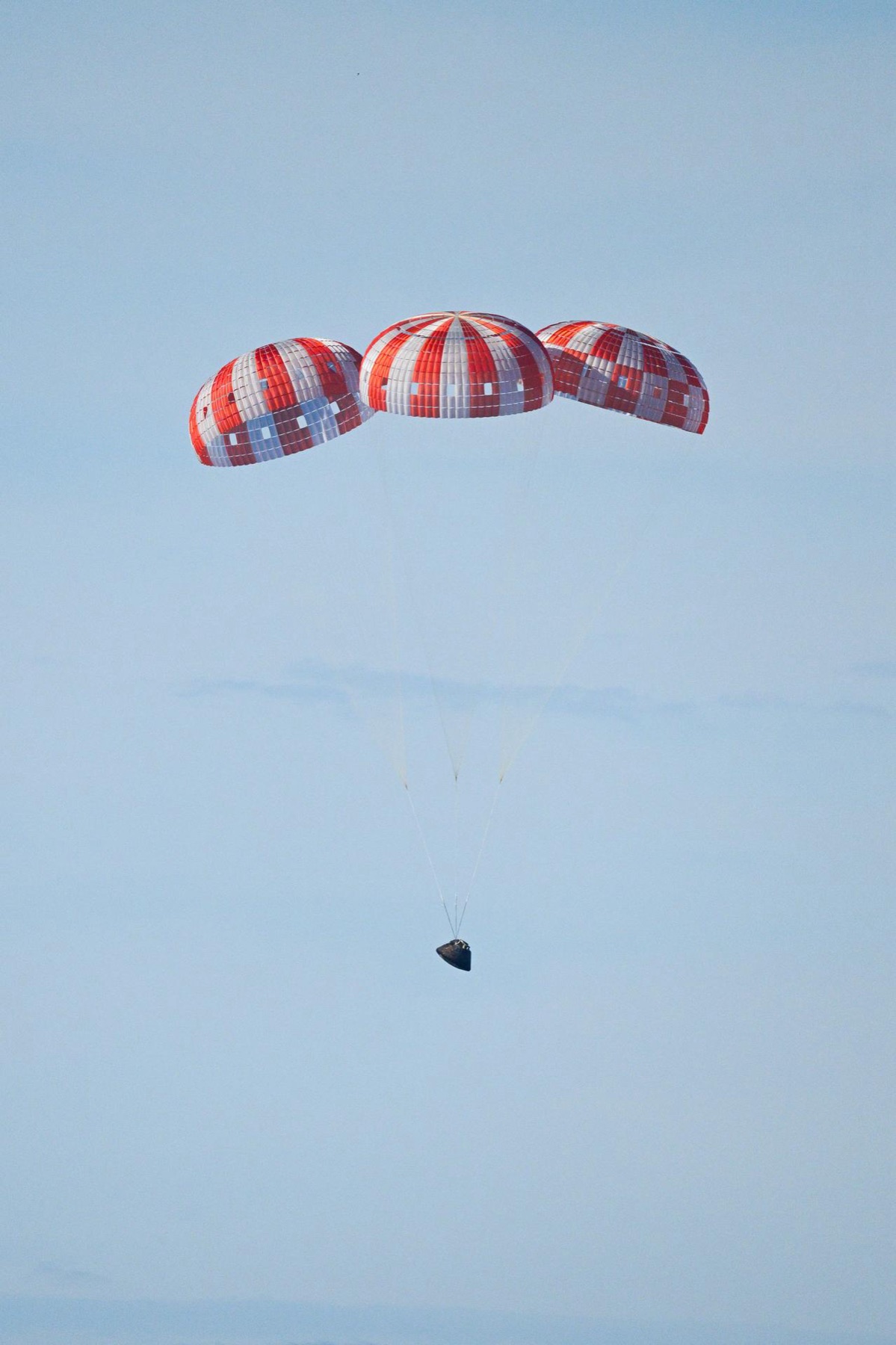
The four Artemis II astronauts returned to Earth on April 10, 2026, ending the first crewed flight around the Moon in more than half a century. Their Orion spacecraft splashed down off San Diego at 5:07 p.m. PDT after a mission of nearly 10 days. NASA welcomed the crew home the same day.
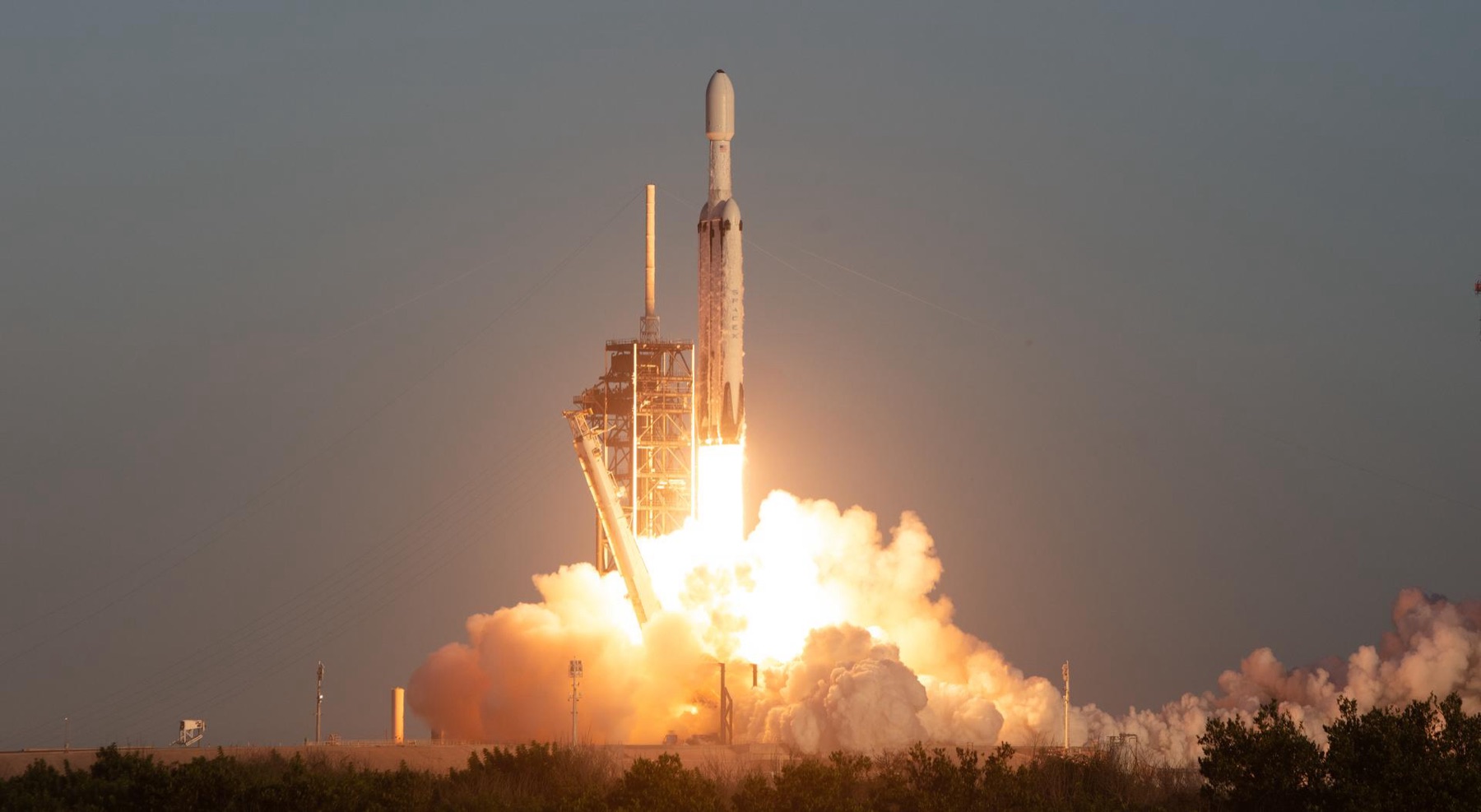
The crew, Reid Wiseman, Victor Glover and Christina Koch of NASA and Jeremy Hansen of the Canadian Space Agency, launched on the Space Launch System (SLS) rocket at 6:35 p.m. EDT on April 1, 2026. SLS produced 8.8 million pounds of thrust at liftoff.
The mission set records. At their farthest, the astronauts were 252,756 miles from Earth, farther than any humans before them, beating the record set by Apollo 13 in 1970. In total, the crew flew 695,081 miles.
Artemis II was a test flight, the first time SLS and Orion carried people. Its job was to show that the rocket, the spacecraft and its life-support systems work with a crew aboard, deep in space, before NASA tries to land astronauts on the lunar surface again. A clean flight clears the way for that next step. The flyby was not a science mission in the sense of a telescope or a probe, but returning humans to the Moon’s neighborhood reopens the possibility of fieldwork there. For the robotic missions exploring the Moon and planets, see our Solar System guide and our telescopes and missions guide.
What to watch next: NASA’s analysis of how Orion and SLS performed, which feeds into the next Artemis mission.
Primary source
This summary is based on NASA. Read the original for full details, data and caveats.
This week in papers
The week's most important results, one line each, every week.