NASA Advances PRIMA, a Far-Infrared Telescope in a New Probe Class
PRIMA, a 1.8-meter far-infrared space telescope capped at $1.2 billion, moves into preliminary design as the first mission in NASA's Probe class.
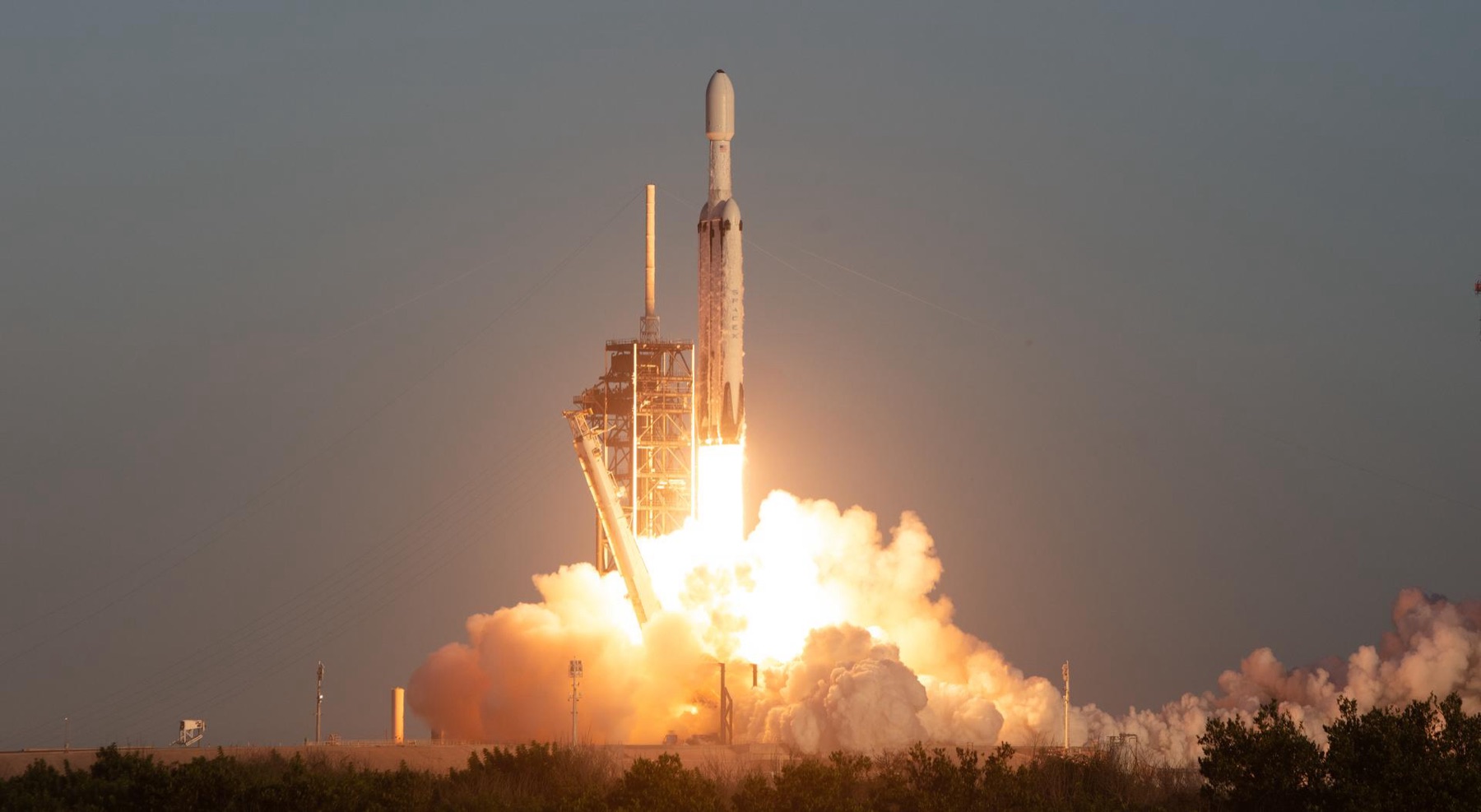
NASA has selected PRIMA, the PRobe far-Infrared Mission for Astrophysics, to move into Phase B, the stage of preliminary design and technology development. NASA announced the decision on September 23, 2026. PRIMA is the first mission in NASA’s new Probe Explorers class, part of its Explorers Program.
If the mission is confirmed, its cost is capped at $1.2 billion, not counting launch, with launch targeted for 2033 and a planned five-year mission. PRIMA would carry a 1.8-meter (5.9-foot) telescope built for deep surveys in far-infrared light. Those wavelengths are longer than what the James Webb Space Telescope sees and shorter than what radio telescopes pick up, a gap no current observatory covers well.
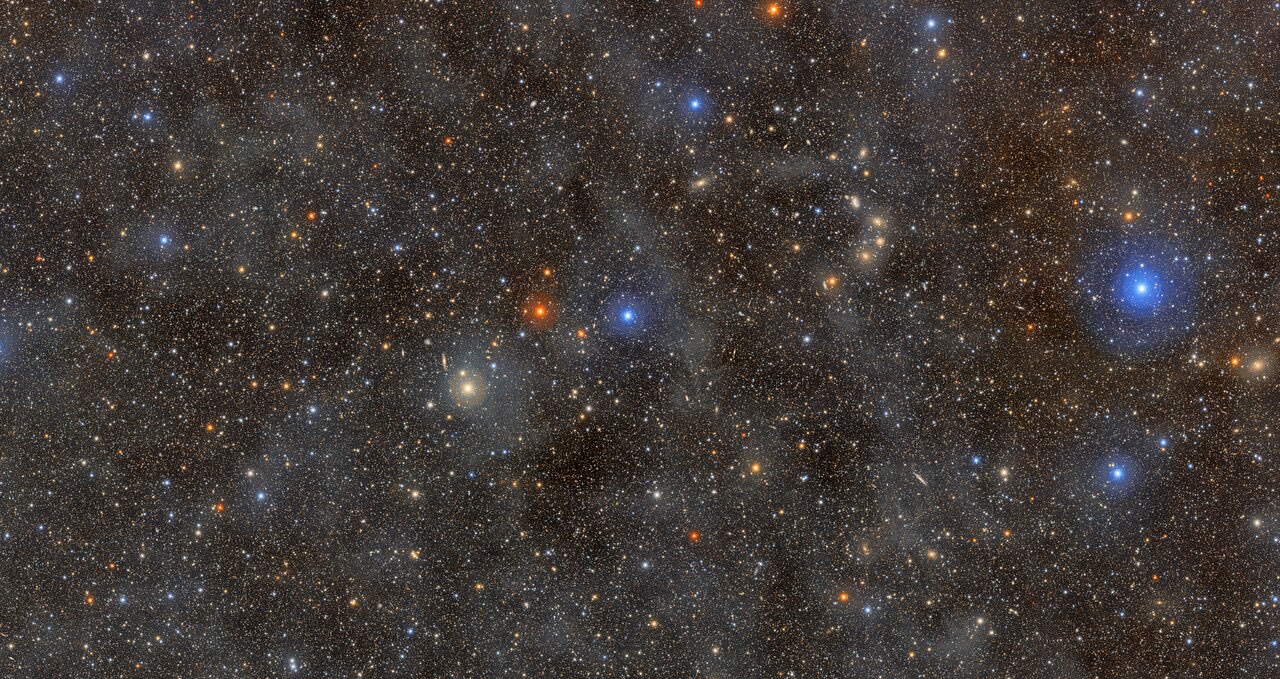
Far-infrared light matters because cold dust glows there. Much of the universe’s star formation happens inside dust clouds that block visible light, and the chemistry that leads to water is most visible in this band. PRIMA’s science goals include the origins of exoplanets, the growth of galaxies and their black holes, and the buildup of dust and heavy elements across cosmic time. The honest caveat: Phase B is a design step, not a final go-ahead. The mission still has to pass confirmation before it is built. For the wider fleet of observatories, see our telescopes and missions guide.
What to watch next: the confirmation review that decides whether PRIMA proceeds to construction toward its 2033 launch target.
Primary source
This summary is based on NASA. Read the original for full details, data and caveats.
This week in papers
The week's most important results, one line each, every week.