Curiosity Finds the Most Diverse Organic Molecules Yet Seen on Mars
The Mary Anning 3 sample holds 21 carbon-bearing molecules, seven new to Mars, including a nitrogen ring linked to the chemistry of RNA and DNA.
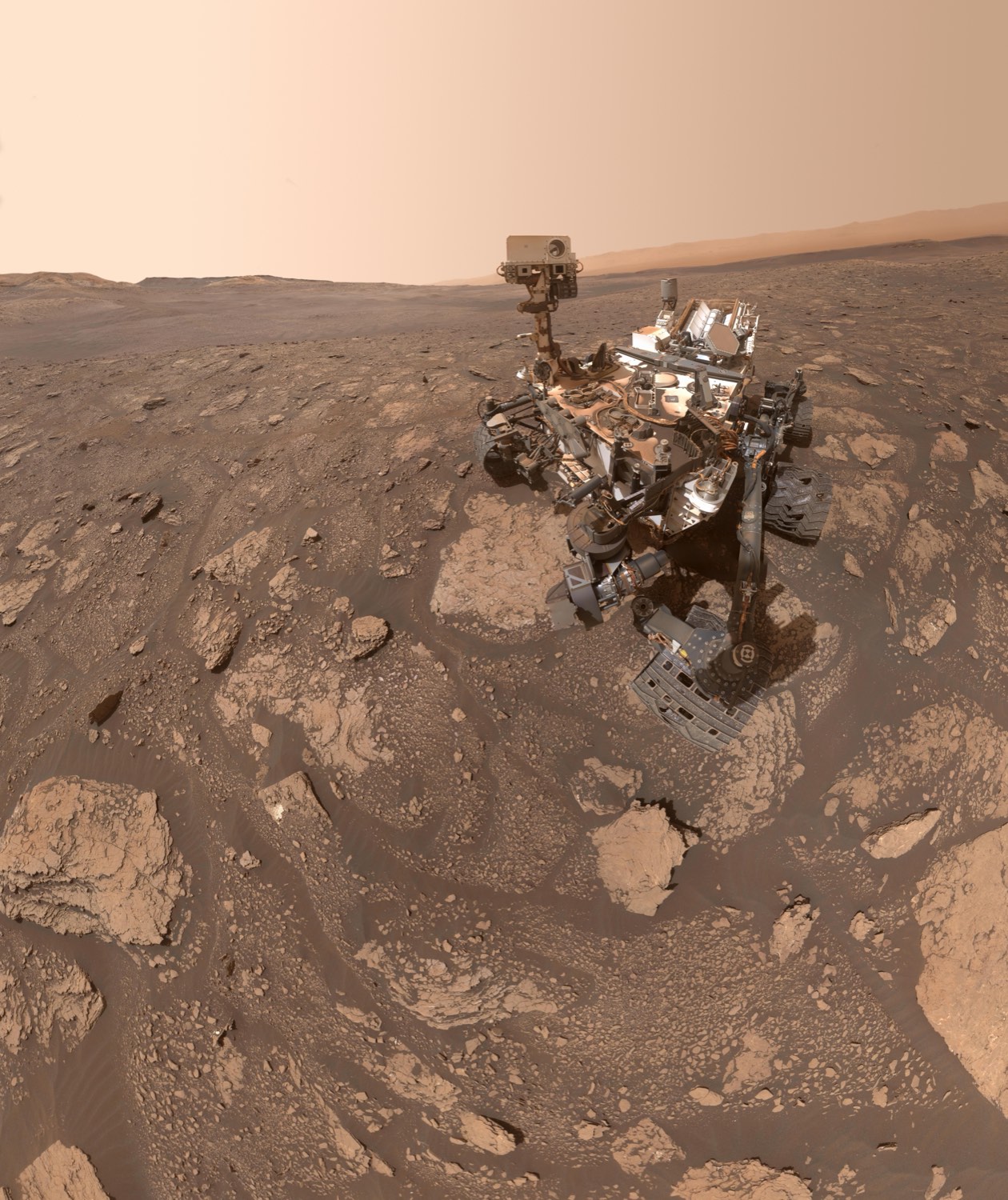
NASA’s Curiosity rover has found the most diverse set of organic molecules yet identified on Mars in a rock sample called Mary Anning 3. The study, led by Amy Williams of the University of Florida, is in Nature Communications, and NASA reported it on April 21, 2026.
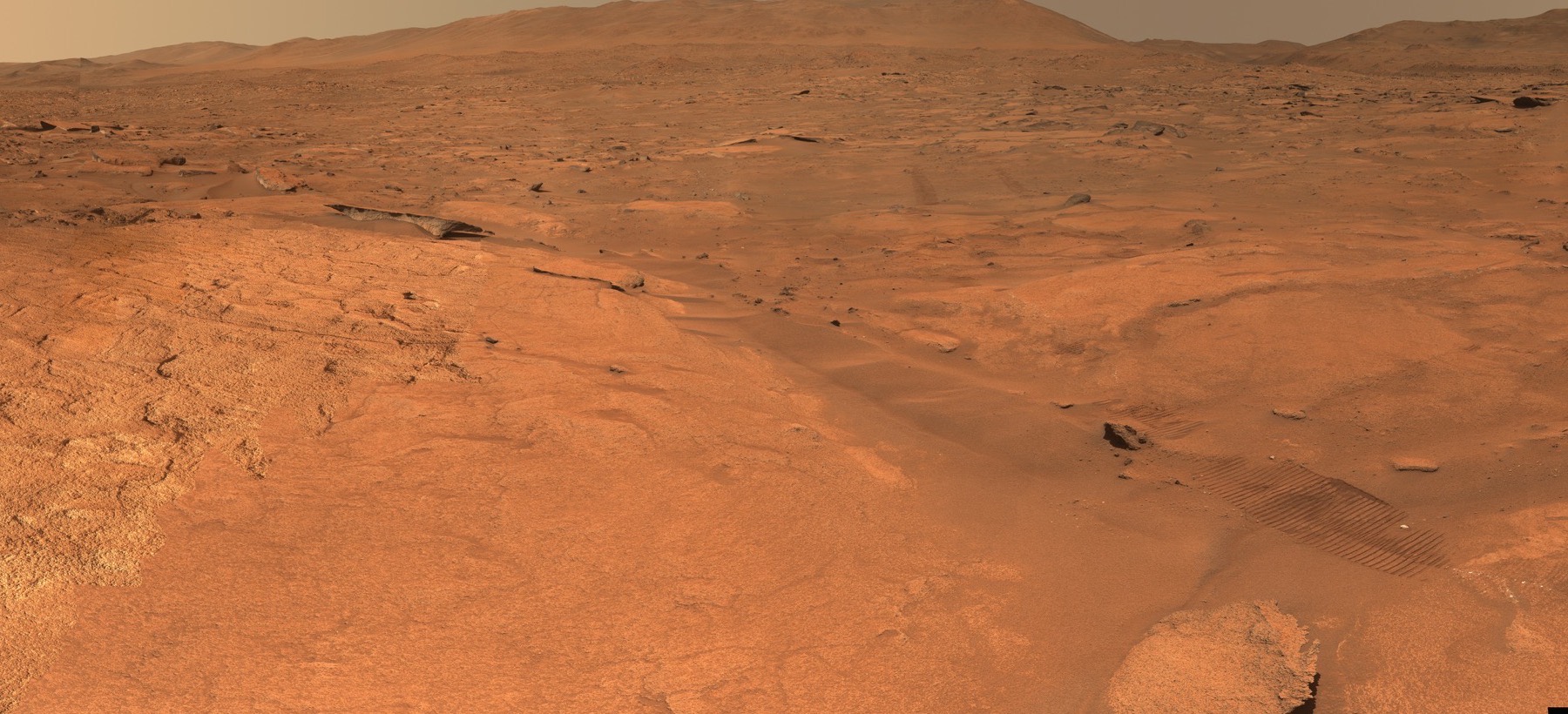
The rover drilled the sample in 2020 in a clay-rich region of Mount Sharp that was once covered by lakes and streams. Its onboard minilab, SAM (Sample Analysis at Mars), heated the powdered rock and identified 21 carbon-containing molecules, seven of them detected on Mars for the first time.
Two stand out. One is a nitrogen heterocycle, a ring-shaped molecule that is considered a chemical precursor to RNA and DNA. It had never been found on the Martian surface or confirmed in Martian meteorites. The other is benzothiophene, a molecule with carbon and sulfur that is also found in many meteorites.
The important caveat comes from the team itself: they cannot tell whether these molecules were made by biological or geological processes. Organic molecules are carbon compounds, and many form without life. What the result does show is that complex organic chemistry can survive billions of years of radiation in Martian rock. That strengthens the case that ancient Mars had the ingredients for life, an idea that traces back to the 1953 Miller experiment, which showed building blocks of life can form from simple chemistry. More in our astrobiology guide and Solar System guide.
What to watch next: whether rovers find similar molecules in other ancient lakebed rocks, and how they compare with samples Perseverance has collected.
Primary source
This summary is based on NASA and the peer-reviewed paper. Read the original for full details, data and caveats.
This week in papers
The week's most important results, one line each, every week.