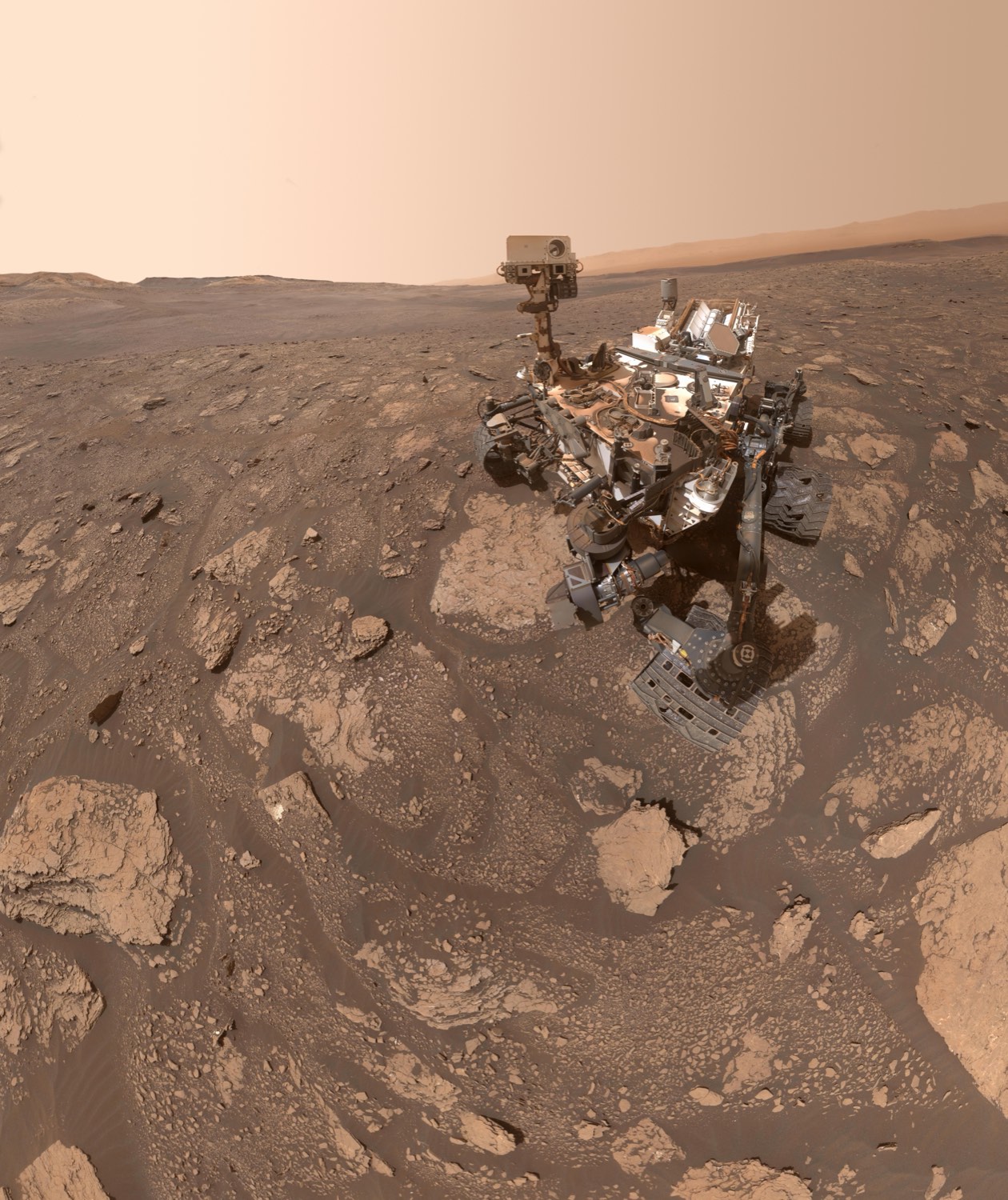
Perseverance Finds Jezero Rim Rocks Were Altered by Water Three Times
Olivine-rich rocks on Jezero Crater's rim reacted with water at least three separate times, Perseverance data show, reshaping the search for ancient life.

NASA’s Perseverance rover has found that rocks along the inner edge of Jezero Crater’s rim were altered by water on at least three separate occasions. The study, led by Candice Bedford of Purdue University, was published in Communications Earth & Environment, and NASA reported it on September 21, 2026.
Perseverance began studying this area, called the Margin Unit, in September 2023. Scientists expected lake sediments. Instead, the rover found igneous rock rich in olivine, a green mineral, which formed from magma cooling slowly underground. Each episode of water left its mark by changing the rock’s chemistry further. The rover’s SuperCam instrument, which fires a laser at targets up to 6.5 meters away and reads the light from the vaporized spot, analyzed more than 185 bedrock targets across about 265 meters of elevation.
Why it matters for astrobiology: when water reacts with olivine it can release hydrogen, a possible food source for microbes. The same reactions leave behind carbonate and silica, minerals that can preserve traces of life. Jezero sits in one of the largest carbonate exposures on Mars, so a more complex water history changes where and how to search. This fits with earlier Perseverance work, including the 2024 “Cheyava Falls” rock, whose mineral spots are a candidate sign of past biology. The new result is about habitable conditions, not evidence of life itself. More on Mars and its neighbors in our Solar System guide.
What to watch next: how the rover team uses this water history to choose the next rock cores to collect.
Primary source
This summary is based on NASA and the peer-reviewed paper. Read the original for full details, data and caveats.
This week in papers
The week's most important results, one line each, every week.