1953
Landmark paper
Stanley L. Miller, Science, 117, 528-529, 1953
The Miller-Urey Experiment (1953): Making Life's Building Blocks
Showed in 1953 that sparks in methane, ammonia, hydrogen and water vapor make amino acids. Stanley Miller's flask experiment founded prebiotic chemistry.
Stanley Miller, a graduate student working with Harold Urey, showed in 1953 that amino acids, the building blocks of proteins, can form from simple gases. He sparked methane, ammonia, hydrogen and water vapor for about a week and got amino acids. The Miller-Urey experiment founded prebiotic chemistry.
The question
How did life begin? Living things are built from complex molecules such as proteins, and proteins are chains of smaller units called amino acids. Miller asked a question that could be tested in a lab: could those building blocks form on their own, with no living thing involved, under conditions like those of the early Earth?
What the paper found
- Amino acids from scratch. After about a week of sparking, the water in the apparatus contained amino acids, including glycine and alanine.
- Five identified. Miller reported five amino acids: aspartic acid, glycine, alpha-aminobutyric acid and two forms of alanine. Aspartic acid, glycine and alanine are common ingredients of natural proteins.
- No life required. Ordinary physics and chemistry, energy plus simple gases, were enough to make biological molecules.
- A two-page result with long reach. The paper appeared in Science on 15 May 1953, only weeks after the double-helix structure of DNA was published.
How they did it
Miller built a sealed glass apparatus at the University of Chicago and filled it with a mixture meant to mimic a primitive atmosphere: methane, ammonia, hydrogen and water vapor. Electric sparks between electrodes stood in for lightning, and the water in the apparatus collected whatever the sparks produced.
After the run, Miller analyzed the liquid with a blotting technique that separates molecules on paper. By today’s standards it was a crude tool, able to spot only the most abundant products, which matters for what happened next.
Why it mattered
The experiment made the origin of life a subject for laboratory tests. It showed that the raw materials of biology are not hard to make, given energy and the right ingredients. That approach, recreating plausible ancient conditions and seeing what chemistry follows, became the field of prebiotic chemistry.
It also shapes how astrobiology looks for life’s ingredients beyond Earth. When Cassini found hydrogen in the plume of Saturn’s moon Enceladus, and later phosphates in its ocean, the question was the same one Miller asked: are the ingredients and the energy there?
What we know now
Debates about the true makeup of Earth’s early atmosphere continue, so Miller’s exact gas mixture is not the last word. The core lesson, that energy plus simple ingredients yields biological molecules, still stands.
In 2008 a team led by Jeffrey Bada reanalyzed Miller’s archived vials with modern instruments. Vials from the original experiment held 14 amino acids and five amines, far more than Miller could detect. Vials from a related, unpublished “volcanic” version, which blasted a jet of steam through the spark, held 22 amino acids.
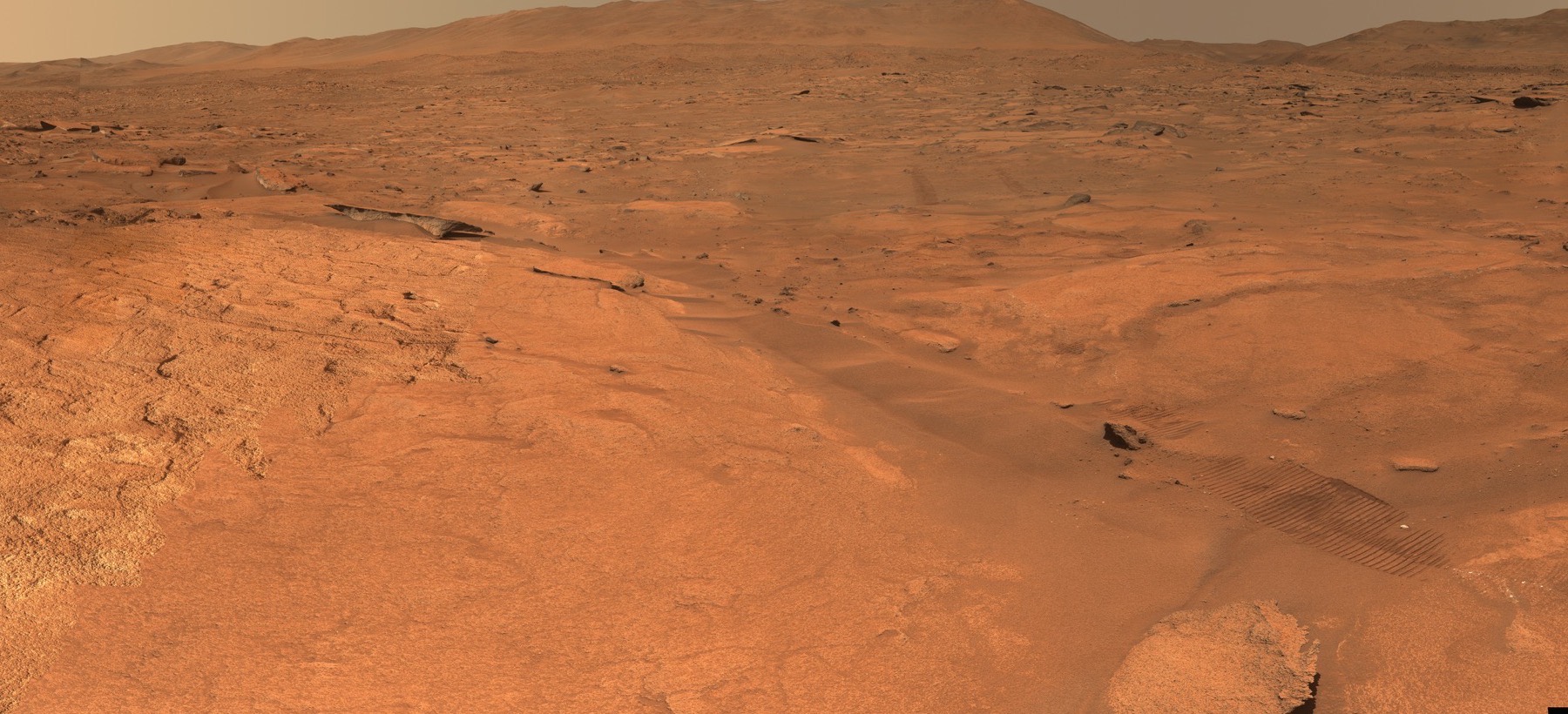
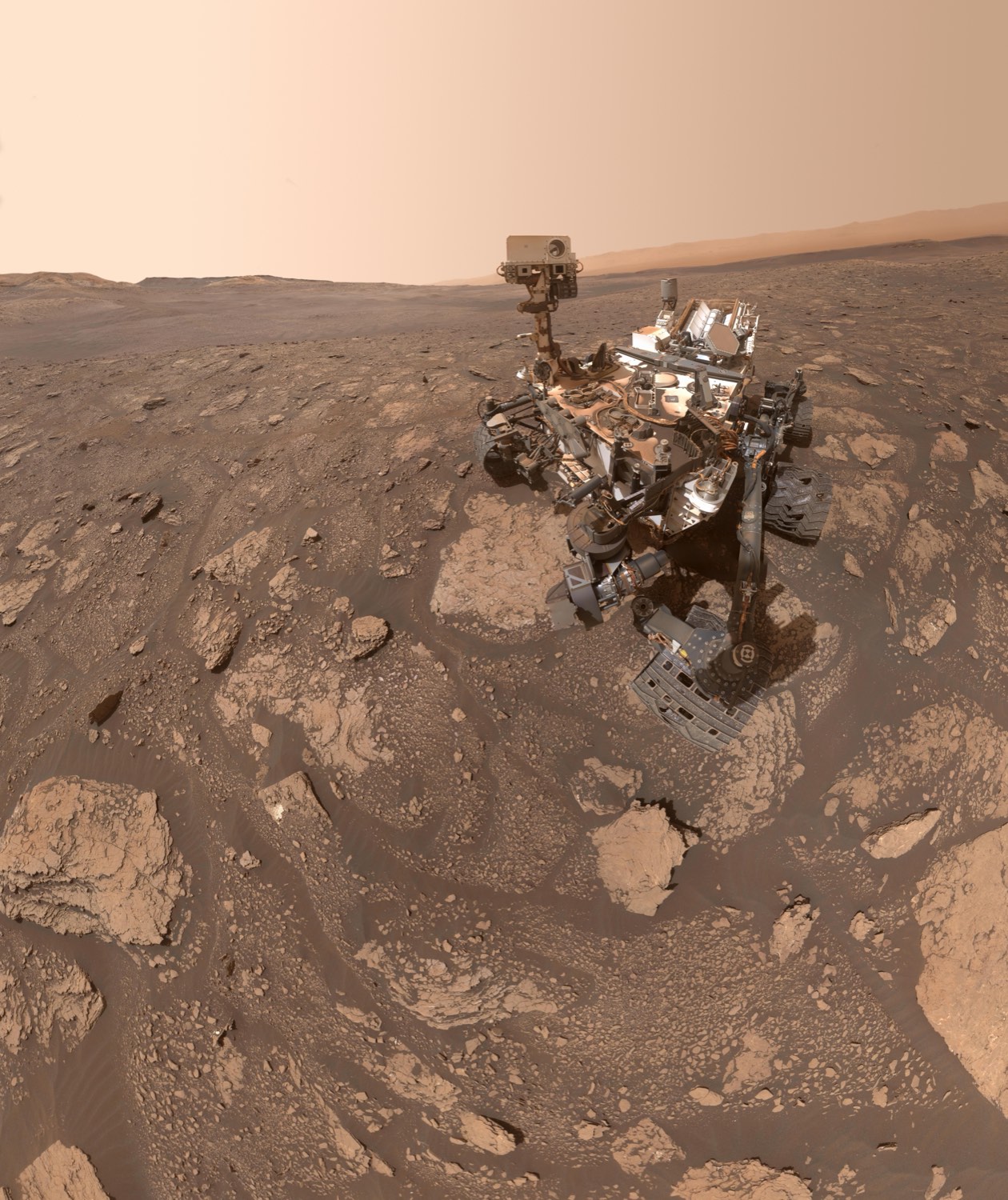
On Mars, the Cheyava Falls rock studied by Perseverance pairs organic carbon with minerals that on Earth often form through microbial chemistry. In 2026 Curiosity reported the most diverse organic molecules yet found on Mars, though nobody can yet tell whether biology or geology made them.
Who wrote it
Stanley Miller was a graduate student at the University of Chicago, working with Harold Urey, which is why the experiment carries both names. Miller published the 1953 paper alone. He died in 2007, a year before his old vials yielded their surprises.
Questions people ask
What did the Miller-Urey experiment prove?
It showed that amino acids, the building blocks of proteins, can form spontaneously from simple gases when energy such as electric sparks is added. It did not create life. It demonstrated that some of life’s key ingredients can arise from ordinary chemistry, without any living thing involved, under conditions meant to resemble the early Earth.
What gases were used in the Miller-Urey experiment?
Stanley Miller used methane, ammonia, hydrogen and water vapor, a mixture meant to mimic the early Earth’s atmosphere. Electric sparks passed through the gases to simulate lightning. After about a week, the water in the apparatus contained amino acids, including glycine and alanine.
Is the Miller-Urey experiment still valid?
Its main result holds: simple chemistry can make amino acids. What is debated is whether Earth’s early atmosphere really matched Miller’s gas mixture. A 2008 reanalysis of his stored samples found even more amino acids than he reported, and the experiment’s approach still guides searches for life’s ingredients on Mars and icy moons.
Read the original
Miller, S. L. (1953). “A Production of Amino Acids Under Possible Primitive Earth Conditions.” Science 117, 528-529. doi:10.1126/science.117.3046.528
The journal version may require a subscription. Semantic Scholar lists about 3,000 citations (October 2026).
This week in papers
Five new results in one line each, plus one landmark like this one. Weekly.
Keep reading
Cocconi and Morrison, Nature, 184, 844-846, 1959
Cocconi and Morrison: The Paper That Launched SETI
Proposed in 1959 that radio telescopes listen for alien signals near 1,420 MHz, hydrogen's natural frequency. Cocconi and Morrison's paper founded SETI.
Kasting et al., Icarus, 101, 108-128, 1993
Habitable Zones: How Kasting Defined the Goldilocks Zone
Calculated in 1993 where a planet can keep liquid surface water. James Kasting's climate model put the Sun's habitable zone at 0.95 to 1.37 AU.
McKay et al., Science, 273, 924-930, 1996
ALH84001: The Mars Meteorite and Claims of Fossil Life
Proposed in 1996 that Mars meteorite ALH84001 held possible fossils of life. David McKay's claim was never confirmed; later work favored abiotic origins.