Hot Jupiter Winds Give the Best Evidence Yet of Exoplanet Magnetism
Wind speeds on seven hot Jupiters drop as the planets get hotter, a pattern best explained by planet-wide magnetic fields acting as brakes.
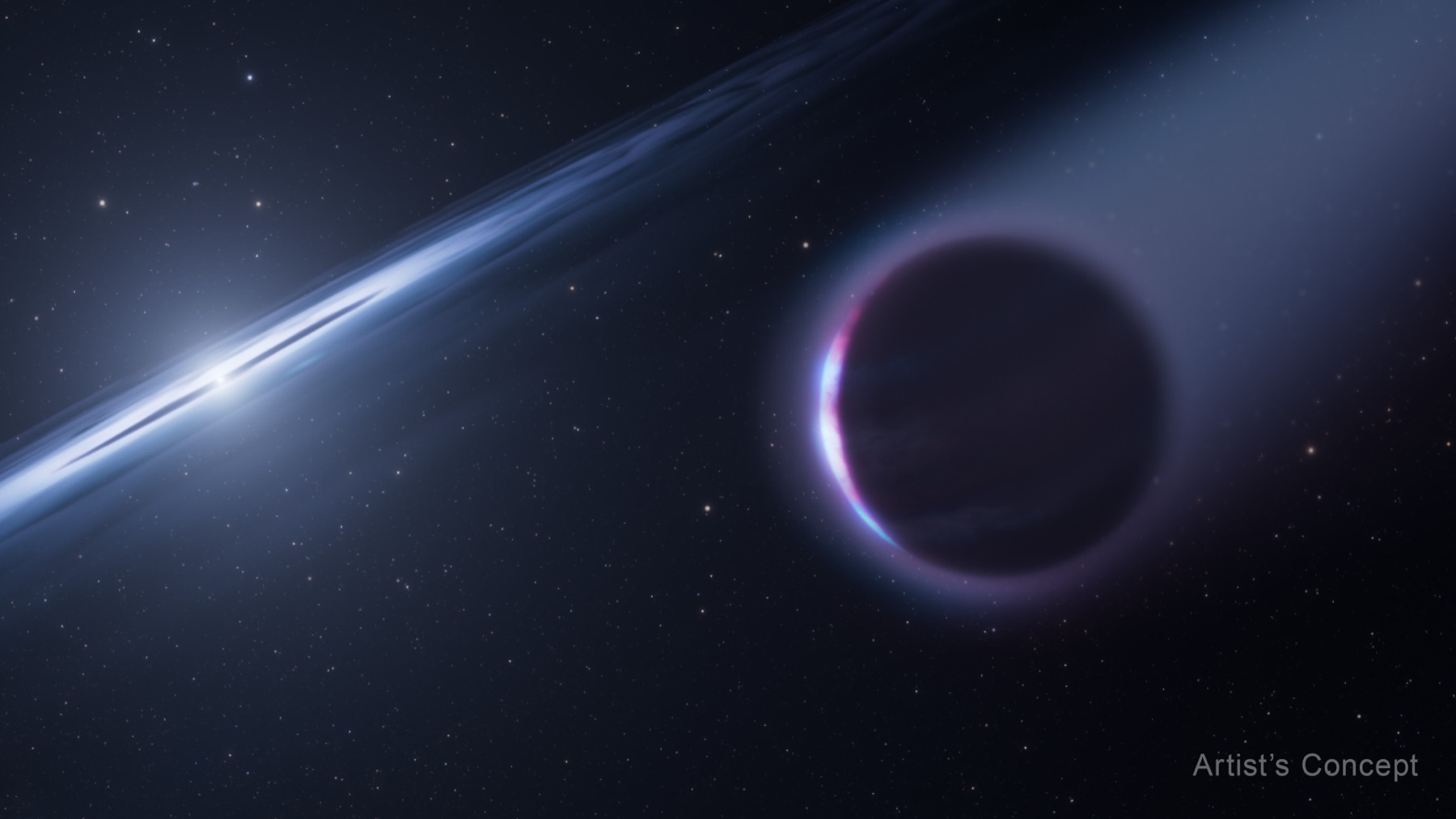
Winds on seven scorching gas giants provide the strongest evidence yet that exoplanets have planet-wide magnetic fields. The study, led by Julia Seidel of the Observatoire de la Côte d’Azur, was published in Nature Astronomy, and ESO announced it on June 2, 2026.
The targets are very hot Jupiter-like planets that are tidally locked, always showing the same face to their star, like the Moon to Earth. The team measured their wind speeds with the ESPRESSO spectrograph on ESO’s Very Large Telescope and a similar instrument on Gemini North. Speeds ranged from about 7,200 km/h to over 25,000 km/h. Jupiter’s fastest winds reach about 1,500 km/h.
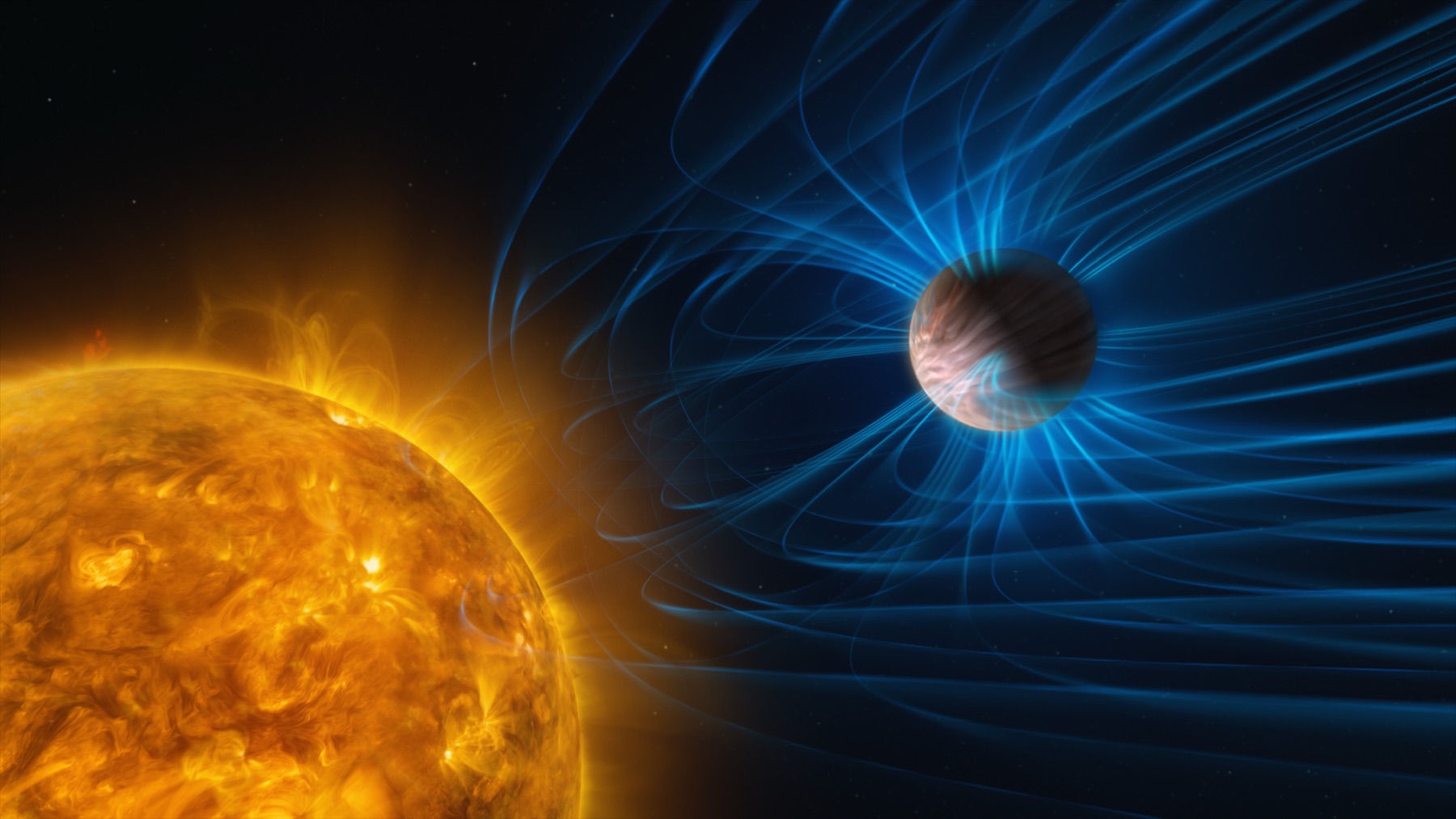
The surprise was the trend: the hotter the planet, the slower its winds. Hotter atmospheres hold more charged particles, and charged particles moving through a magnetic field feel a drag. The best explanation is that planet-wide magnetic fields act as a brake. The inferred field strengths are about four times Saturn’s, or about half of Jupiter’s. This is indirect evidence, read from wind speeds rather than from the fields themselves.
Hot Jupiters became a known class of planet with the discovery of 51 Pegasi b in 1995. Measuring their magnetism matters beyond gas giants: magnetic fields help planets hold on to their atmospheres and water, so they are part of judging which worlds could be habitable. More in our exoplanets guide and astrobiology guide.
What to watch next: extending the same wind measurements to cooler and smaller planets, where magnetic fields matter most for habitability.
Primary source
This summary is based on ESO and the peer-reviewed paper. Read the original for full details, data and caveats.
This week in papers
The week's most important results, one line each, every week.